KPA 2nd Annual Talk Series

KPA 2nd Annual Talk Series Explores India-US Relations in a Changing World Order

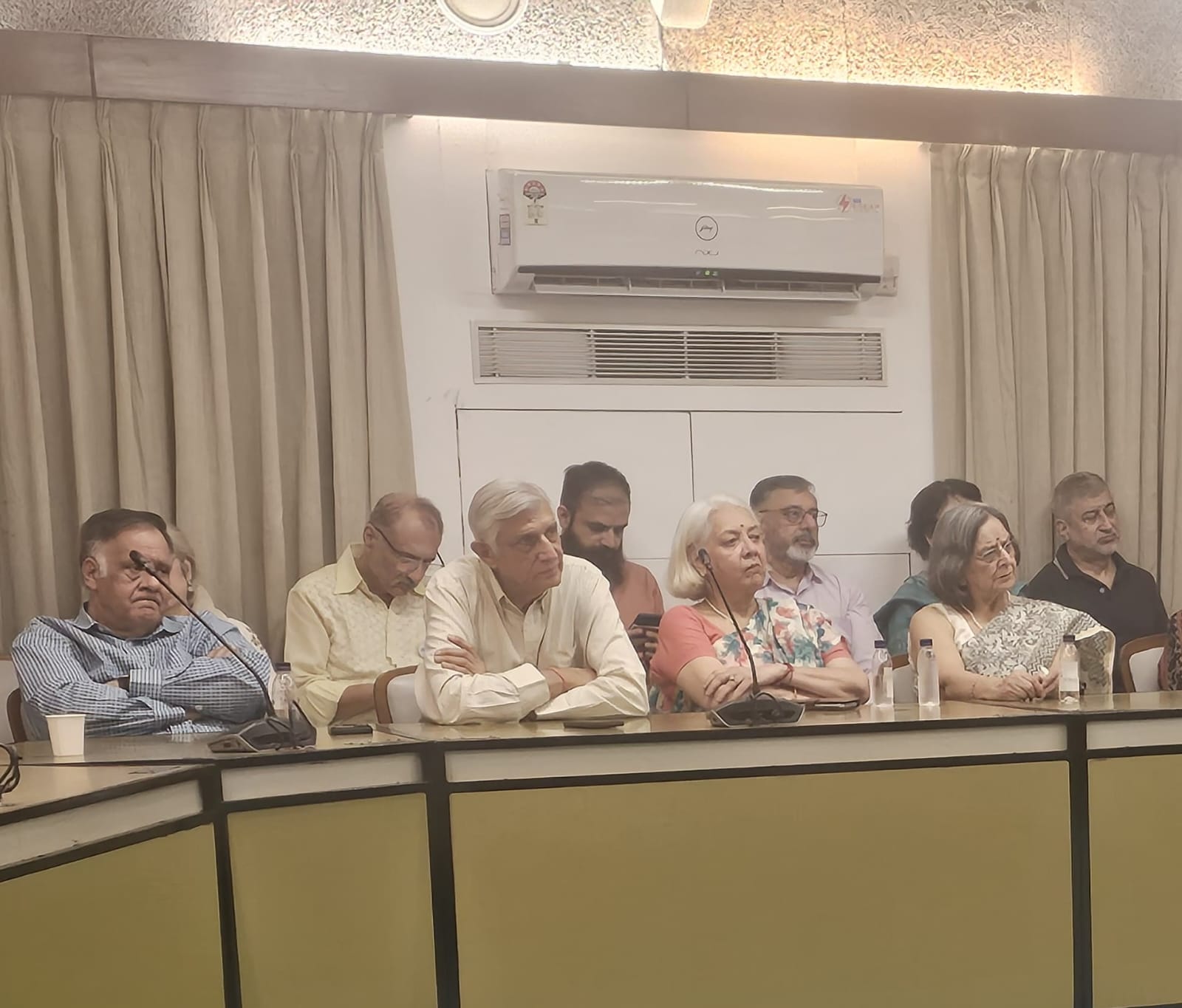
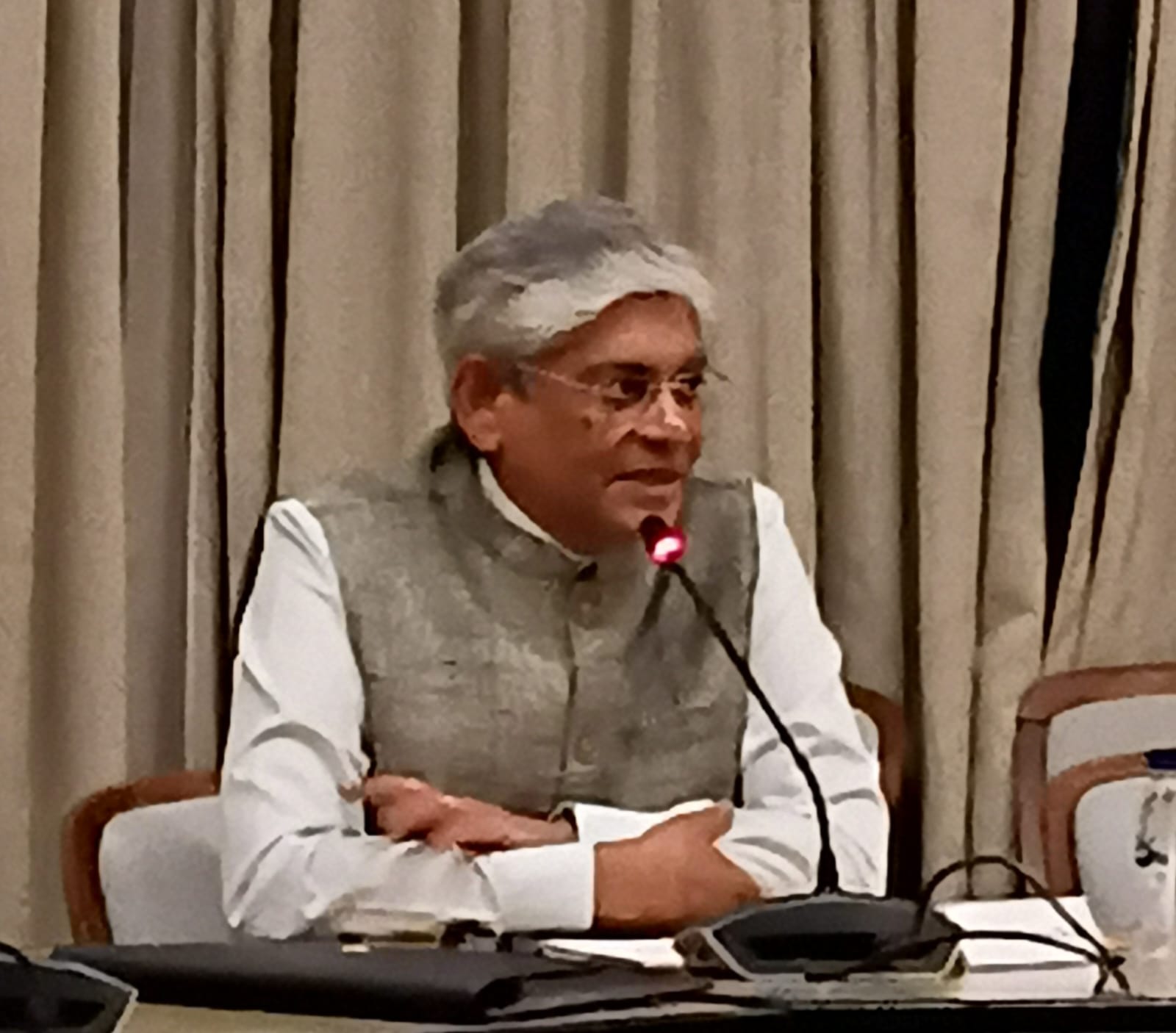
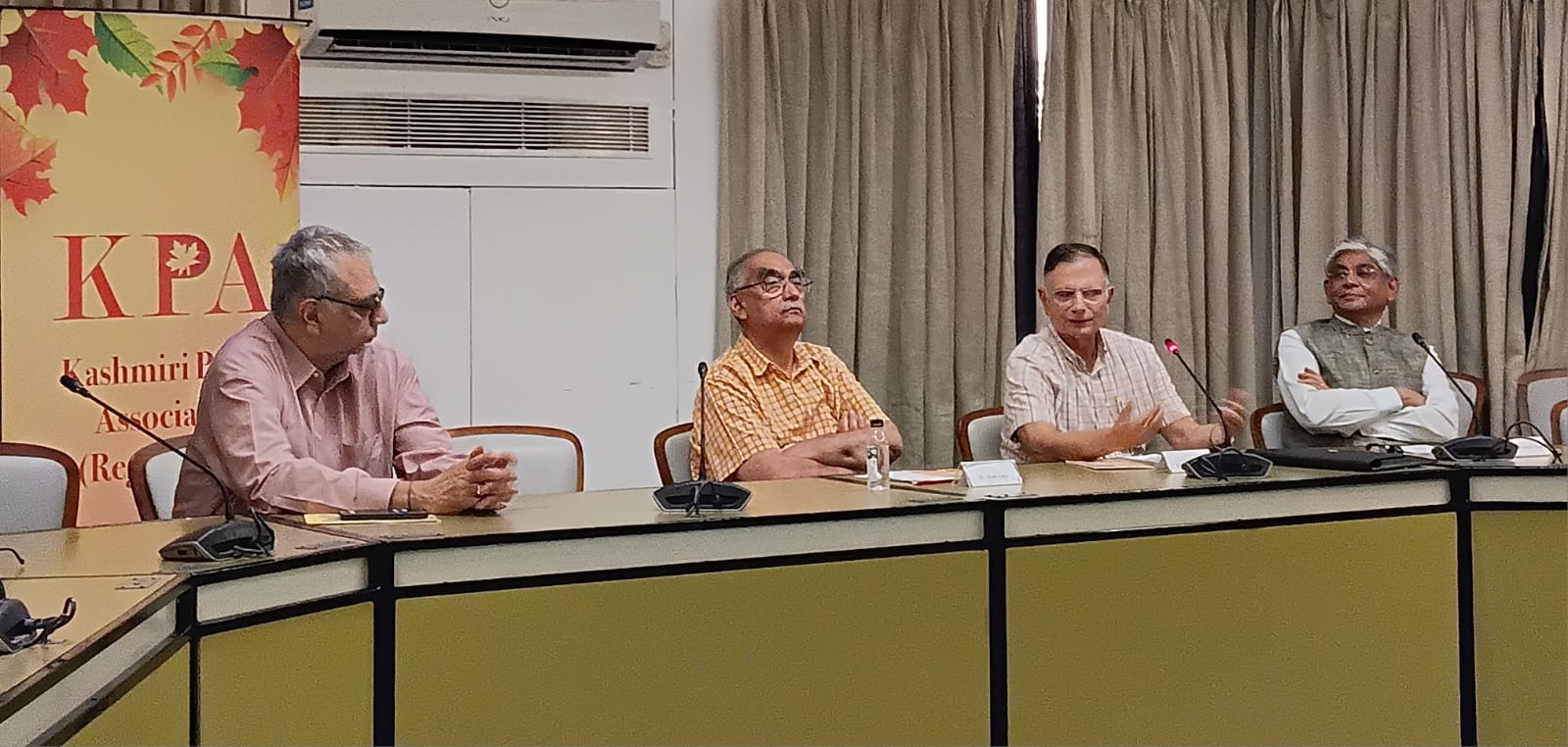
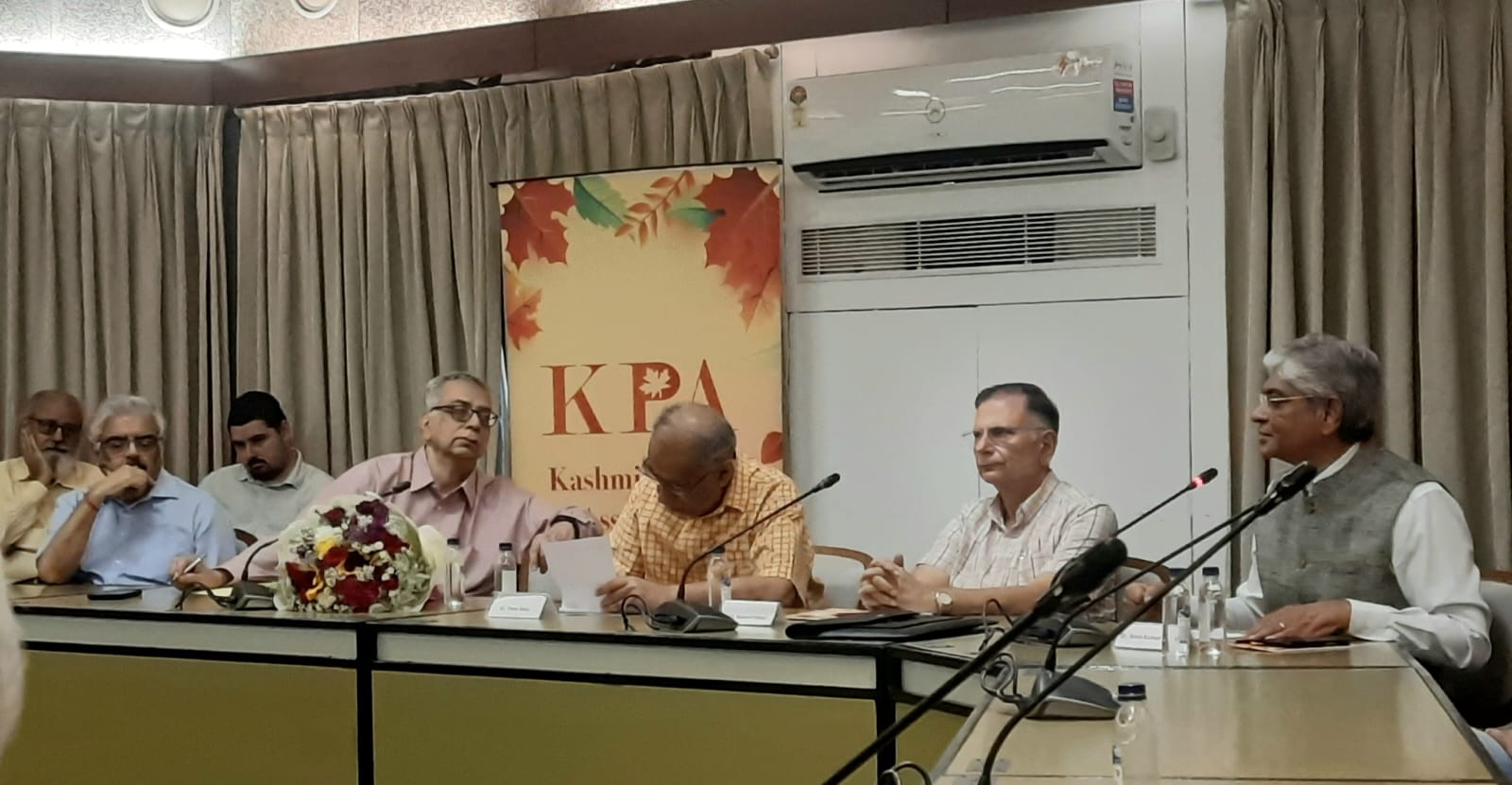
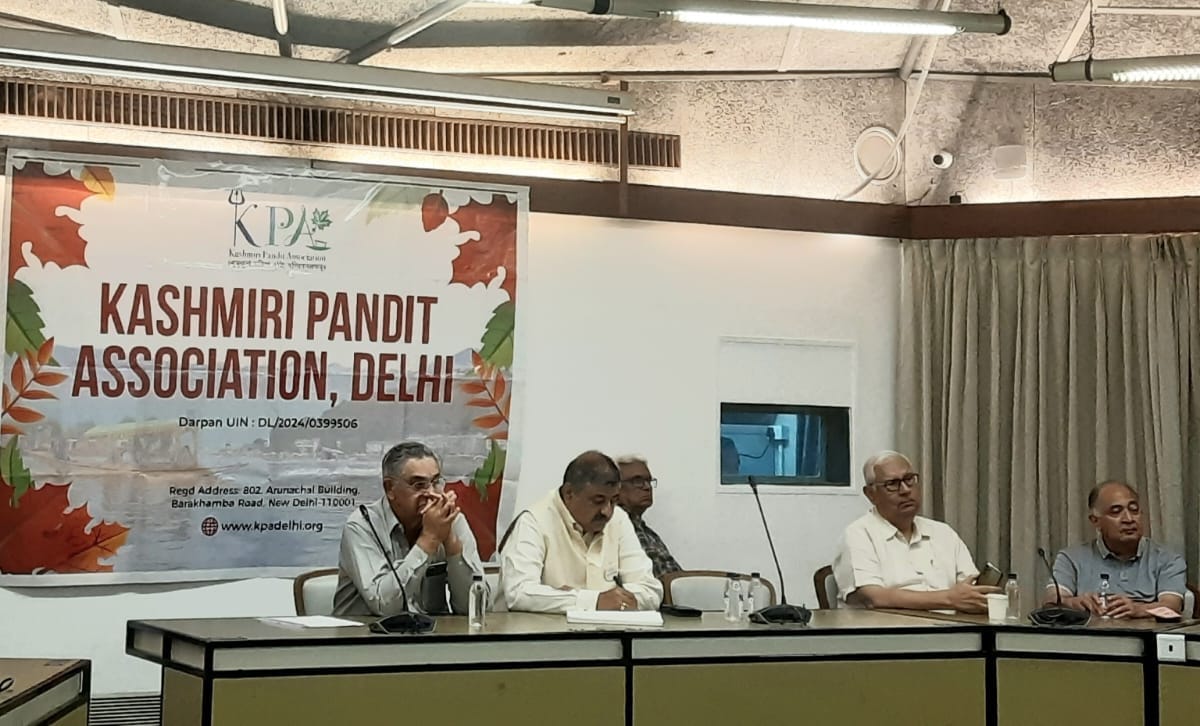
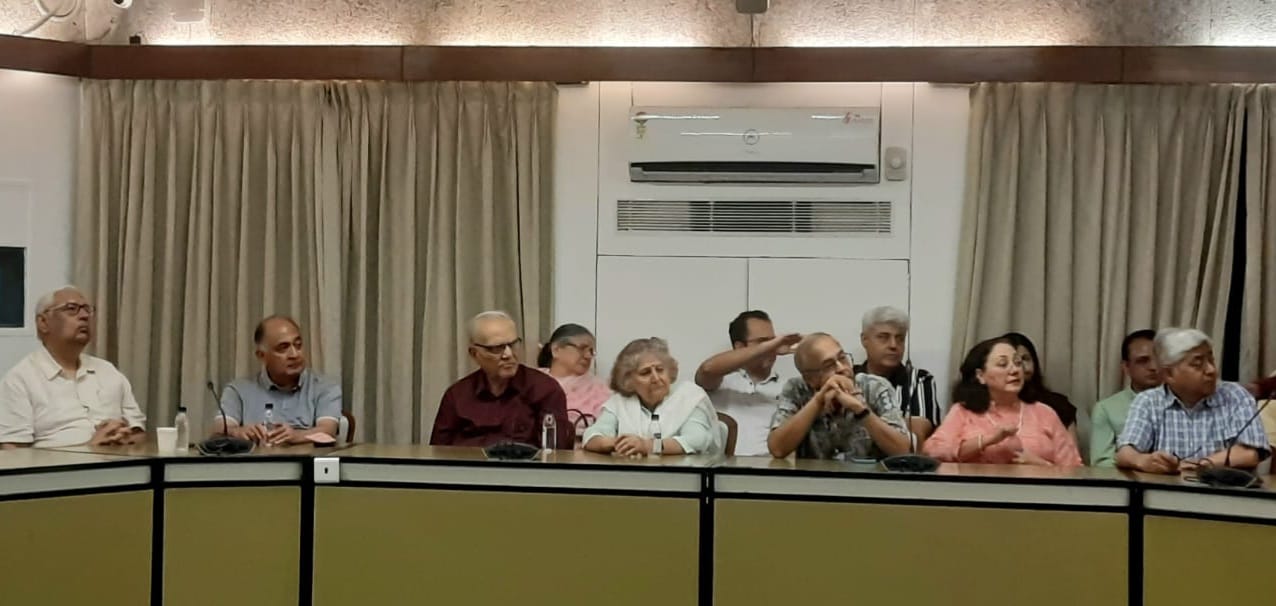
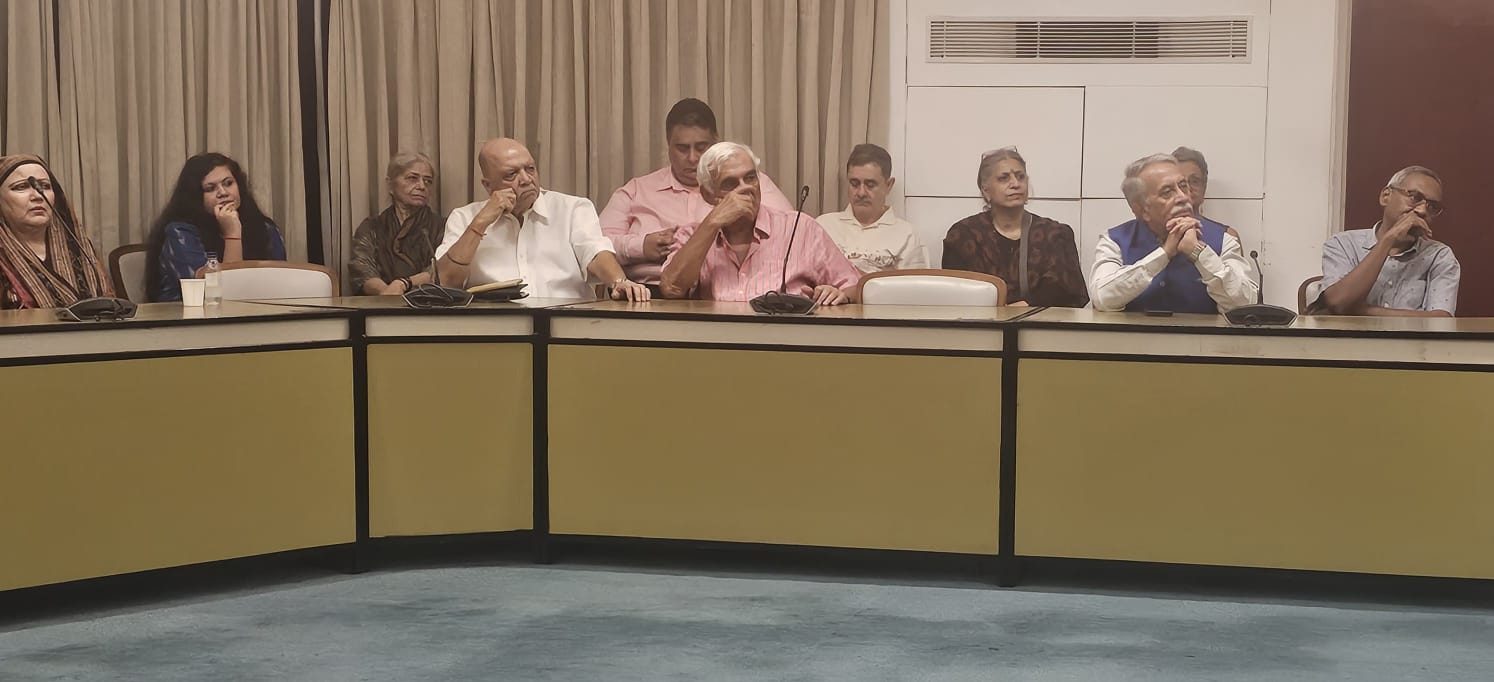
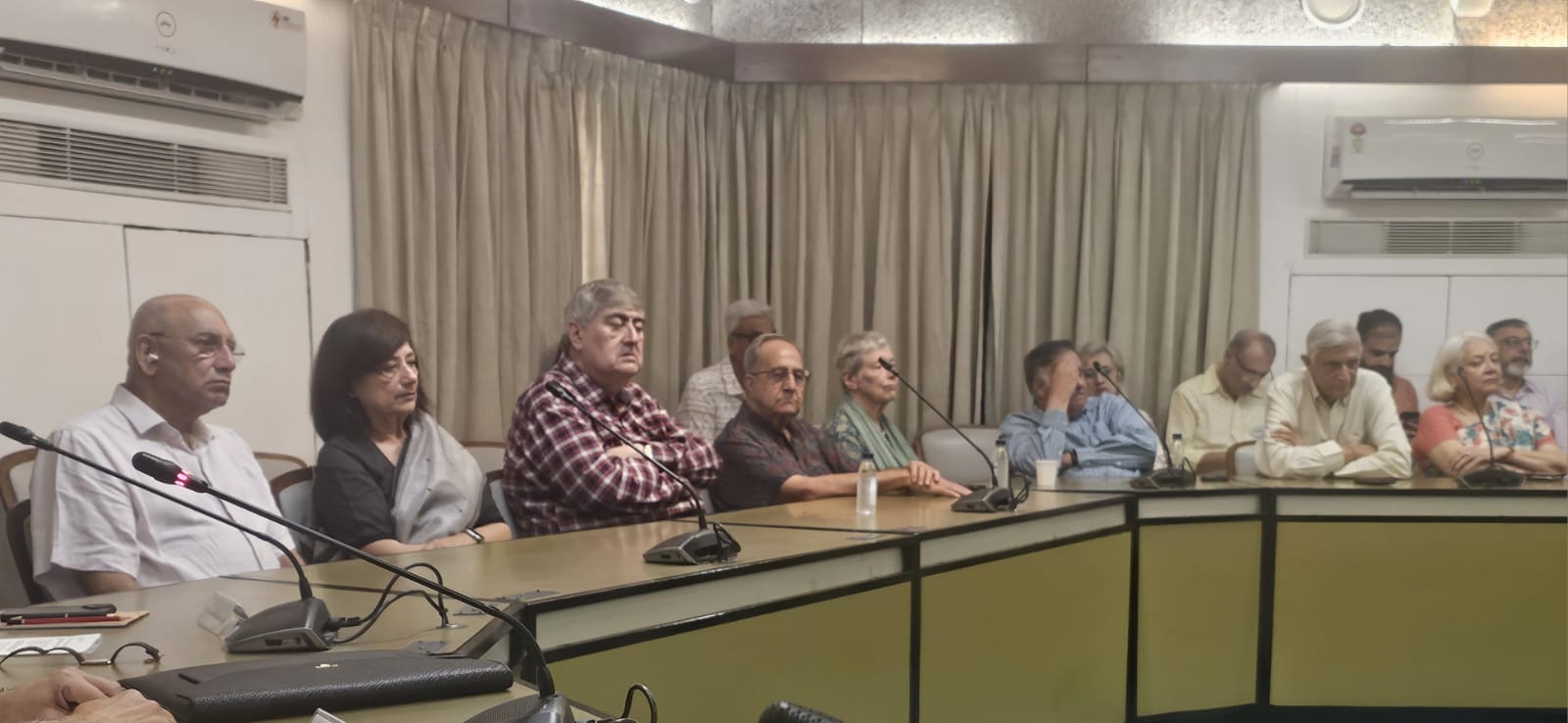
More than 50 Biradiri Members gathered at the IIC Conference Room on Saturday 25.04.26 to listen our Chief Guest, Mr. Arun Kumar Singh IFS Retd. (Former Ambassador to USA, Israel and France) and our Biradiri Discussant Mr. Vivek Katju (Former Secretary West and Ambassador to Myanmar, Afghanistan and Thailand).

The panel was coordinated by Mr. Ratan Watal IAS Retd, Former Finance Secretary and former PS to the PM.

After a brief introduction of KPA by Mr. Vinayak Kaul, Mr. Ratan Watal introduced the speakers and touched on the context and invited Mr. Arun to speak on the subject first.

Mr. Arun Singh spoke about the place of USA and its external relations in the Middle East in a historical perspective He presented an overview giving three major transitions, which defined US regional and global relationships. Starting from the Iran Revolution (anti-West) of 1979 coupled with the Mecca incident, dissolution of Soviet Union in 1991 and the current 3rd transition where numerous factors (conflicts, resetting of post World War 11 relationships dictated by blocks and promotion then disintegration of rules based institutions like GATT and WTO. Nuclear proliferation, allowing the rise of China, then weaponisation of trade through tariffs. Then imposition of sanctions, technology embargos, playing with commodities like oil and rare minerals only to create uncertainty and volatility. These are underlying shifts in US Policy that have begun to appear almost like neo colonialism in the present times.

US introduced a rules based international order but is now actively subverting it reverting to the old Monroe type Doctrine. This has created a dark phase where we don’t see light at the end of the tunnel.

In all of this, especially Europe and the Middle East players are left groping for a stable defense security, trading and energy security framework. The rise of a new world power namely China has only added to the uncertainties that most countries now face.

This cannot be blamed on the current US administration only. Much of this was in the making during previous regimes of Presidents Bush, Obama and Biden.

He then highlighted how well the Indian Foreign office is reading the gravity of this unprecedented situation by quoting various statements of various world leaders including the Indian Foreign Minister.

US is India’s most dominant trade partner with Indian investment in the US in almost 50 States. With over 5 million Indian Origin residents and a 25 Billion dollars plus defense trade that is growing, he said we must deal with the situation with dexterity, mature engagement and a policy of hedging risks despite US positions becoming unilateral or quixotic now and then. Relevant to our dealing with US he said:

Mr. Vivek Katju then provided additional inputs. His foremost point was on technology as the most effective hedging tool available. He said ‘technology is real power’. This has repeatedly been proven in all the wars and disruptions. He said India must have robust R&D policy in key sectors. He also questioned whether our West Asia Strategy is appropriate? Now the challenge is also how to relate with China, which is not like old USSR. We cannot delink with one and align with the other prudence will require engagements with both. This of course is a major diplomatic challenge.

Other distinguished Guests who were present engaged with the speakers and enriched the discussion.

The Talk ended with a Vote of thanks to the Speakers by Secretary KPA Mr Sanajay Kaul.

Our Culture

Our Culture The largest community, within the Kashmiri Hindus is the Kashmiri Pandits (Kashmiri Brahmins), who are divided into several gotras, such as the priests (gor or bhasha Bhatta), astrologers (Zutshi), and workers (Karkun). The Wani are historically Banias, with subcastes, such as the Kesarwani. The official languages of Jammu and Kashmir are Koshur, Dogri, Hindi-Urdu and English. The culture of Kashmir was influenced by the Persian as well as Central Asian cultures after the Islamic rule of Kashmir, though Hinduism, Buddhism and Islam have their own part to play. Kashmir has its own style of dance performance and music that is performed according to the occasion. One of the popular dance forms is Mask dance that is performed during the Hemis Festival. Other major dance folk forms are Chakri, Ladishah, Ruf dance and Dandaras dance. The inhabitants of Kashmir love folk music and tap their feet on the most famous Rabab music. The common instruments played in this music are Sitar, Rabab, Dukra and Nagara. Wanawun, Ghazals, Sufi and Choral are some major music forms in Kashmir that are sung during wedding ceremonies and festivals.

Our Vision

Our vision

KPA envisions to reach to the wider spectrum of the Biradari, establish brotherhood amongst the members of the Biradari and preserve its culture at all odds. We will strive to teach the coming generation about our values and culture as our predecessors bestowed upon us.

Our Mission

Our Mission

The mission of KPA is to find a solution to the myriad displaced Kashmiris or the established ones in a simpler form to make the KPA a huge shade for all travellers. In today’s busy times if we meet to discuss and strive to take KPA work further, is applaudable and we will keep doing it in our own way, to take the baradari a notch further.

Leadership Team

Executive Committee

Previous Team

Executive Member Name

Team Member role

Lorem ipsum dolor sit amet, consectetur adipiscing elit. Ut elit tellus, luctus nec 

Executive Member Name

Team Member role

Lorem ipsum dolor sit amet, consectetur adipiscing elit. Ut elit tellus, luctus nec 

Executive Member Name

Team Member role

Lorem ipsum dolor sit amet, consectetur adipiscing elit. Ut elit tellus, luctus nec 

Executive Member Name

Team Member role

Lorem ipsum dolor sit amet, consectetur adipiscing elit. Ut elit tellus, luctus nec